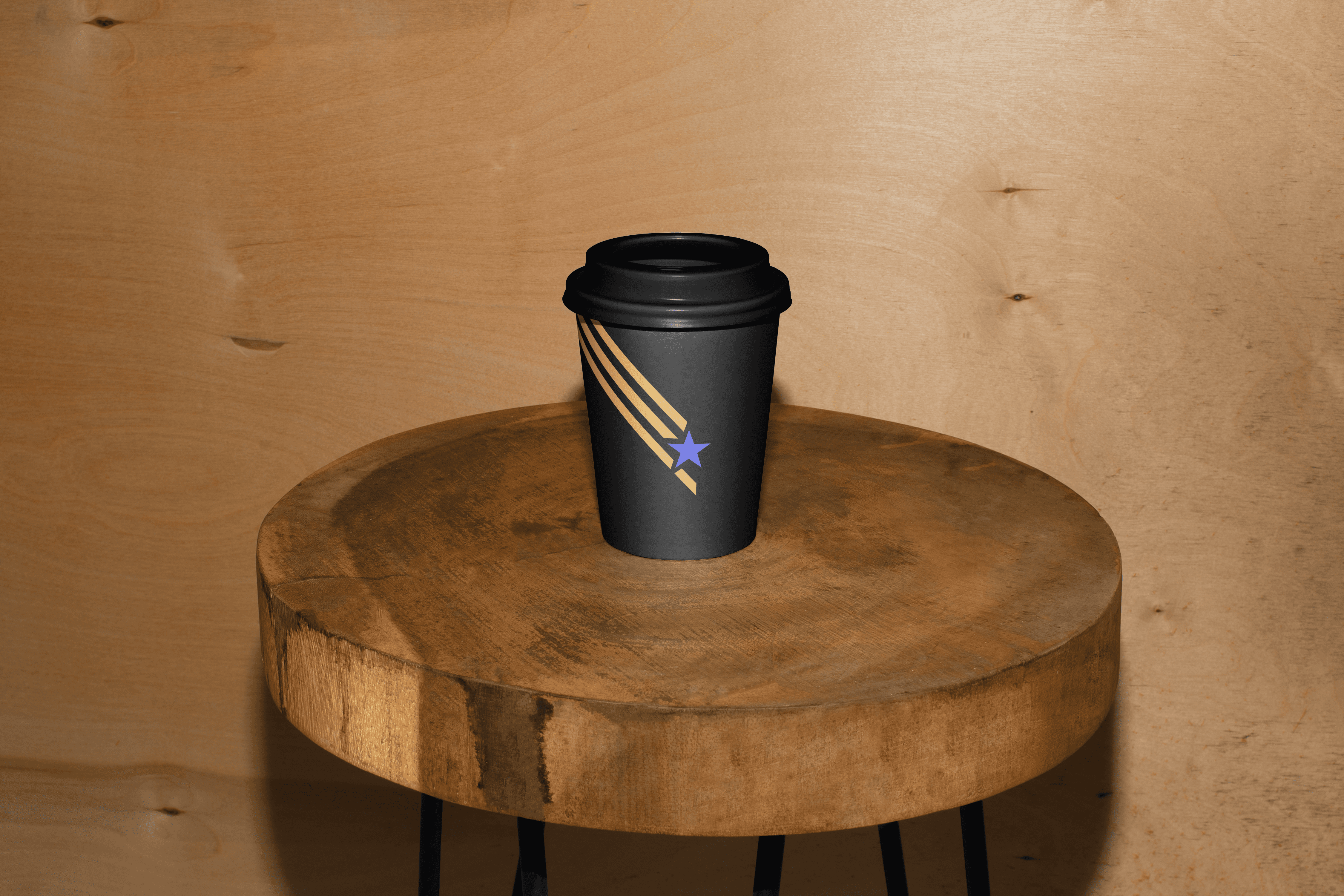
Paysign
2025
Social and brand design for global fintech comapny
Designed highly regulated financial products including digital and physical payment cards, bank documents, and email communications and digital and print in-house material

Overview
The challenge
Paysign's brand looked dated for a company that sells modern payment technology, and its visuals didn't reflect where it stood in the fintech industry. I noticed the gap soon after joining and raised it with the team, making the case that the brand could be updated to better reflect the company and its place in the industry. That conversation turned into a brand refresh that I helped lead. The marketing team also needed a steady stream of content across channels, and because every post, email and print piece was built one at a time, the work was slow and the visuals drifted.
In-house update
Supporting growing organizations
Upon joining the team, I went through current brand materials and guidelines and worked closely with the design team to ensure adherence to core brand standards while evolving the visual storytelling to match current brand goals. What resulted was a more modernized version of an outdated brand that sought to bridge the gap between technology and finance.


Digital design
Social, events and out-of-home (OOH) are very different formats, but they all had to look like the same brand. I treated them as one system that scales across formats, rather than three separate jobs.
Each project began with understanding the goal, the channel and the viewer. A social post is seen for a second while scrolling. A billboard is read at a distance and at speed. An event piece is seen up close, in person, often alongside other branded materials. The goal and the channel decided the hierarchy, how much copy fit and what the main message was.
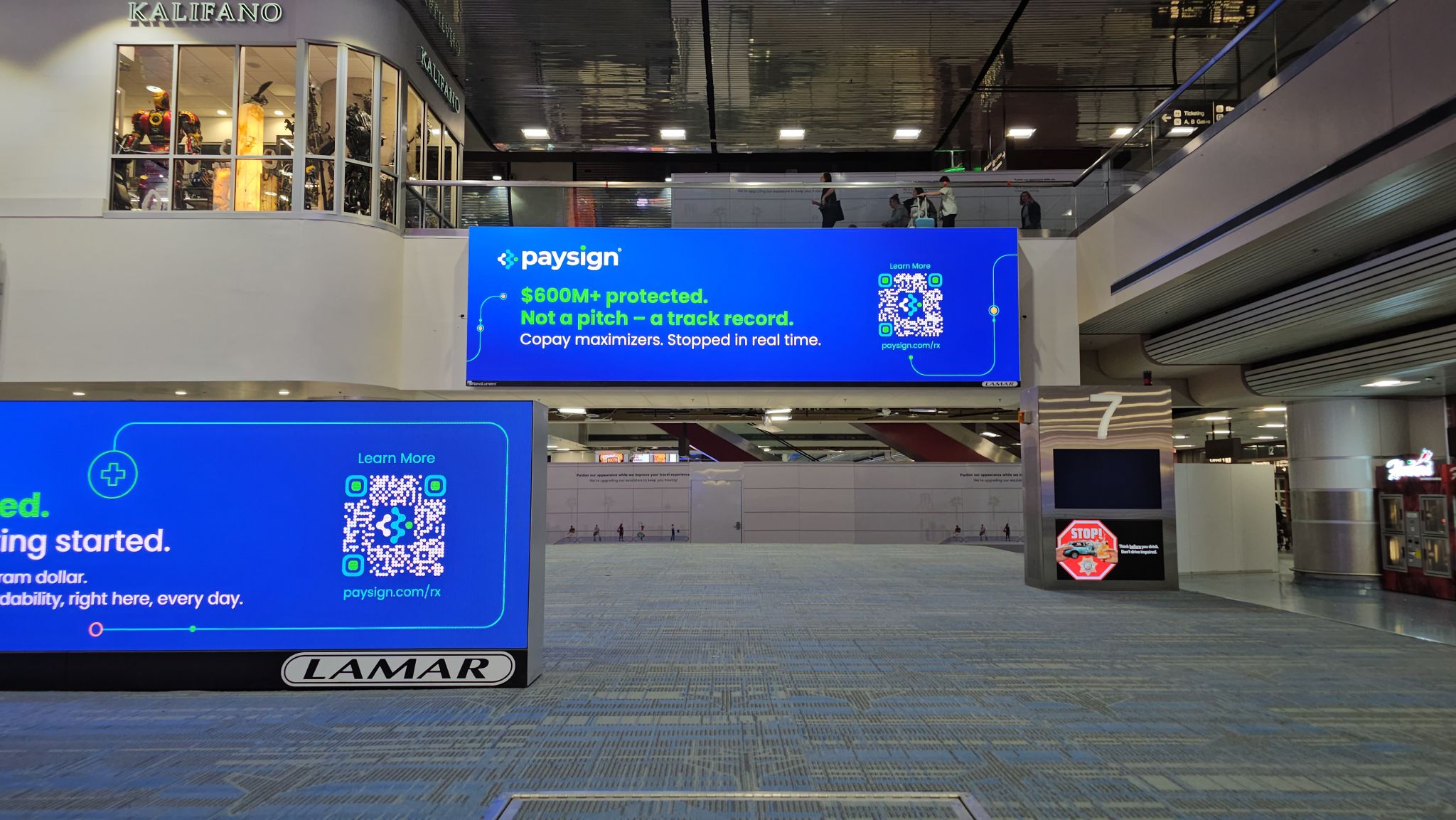
OOH Marketing assets for the Harry Reid Airport during Asembia 2026
The lessons
Working at Paysign taught me that constraints make design stronger. Regulatory and accessibility requirements pushed me toward clear, simple solutions, and I now treat compliance and legibility as part of the design problem from the first sketch. Building reusable templates for 25+ monthly posts showed me that systems free up time for real ideas, and starting the brand refresh by speaking up taught me that a designer's job includes spotting problems, not just executing what's handed over.